

Hey folks, if you’ve been deep in electronics manufacturing, you’ve probably heard a lot about the tiny, critical materials that make everything from smartphones to 5G base stations work flawlessly. Today, I want to chat about something we specialize in as a high yield nitrogen carbon molecular sieve (CMS) supplier—high yield nitrogen CMS, and how it’s quietly revolutionizing the electronics space. Let’s cut through the jargon first: CMS are porous carbon materials that separate gas molecules based on size, right? Nitrogen CMS, specifically, is all about cranking out pure nitrogen efficiently, which is non-negotiable for a ton of electronic processes.
Wait, before we dive in, let’s make sure we’re on the same page with CMS basics. If you’re new to this, check out Carbon Molecular Sieve CMS to get the lowdown on the core tech. And if you care about sustainability (which we all should these days), our Recycled Carbon Molecular Sieve line is a game-changer—cuts waste without sacrificing performance, which is huge for eco-conscious electronics makers.
Now, electronics are super sensitive to even tiny contaminants, right? A single speck of dust or a whiff of oxygen can ruin a semiconductor wafer, a battery cell, or a circuit board. That’s where nitrogen comes in. Nitrogen is an inert gas—no reactions, no oxidation, no hassle. But you can’t just pipe regular air into a manufacturing line; you need concentrated, consistent nitrogen. That’s where high yield nitrogen CMS shines. Unlike older nitrogen generation methods (think cryogenic distillation, which is energy-heavy and slow), CMS uses pressure swing adsorption (PSA) to pull nitrogen out of air fast, and our high yield version means you get more pure nitrogen per batch, less waste, and lower costs.
Let’s break down the key applications—these are the areas where our high yield nitrogen CMS is making the biggest impact, based on what we hear from our electronics clients every day.
First up: Semiconductor manufacturing. This is the big one. Semiconductors are built in clean rooms so sterile, even bacteria can’t survive, and every step needs a controlled atmosphere. Let’s start with wafer fabrication: when you’re depositing thin films (like for transistors) or etching patterns, oxygen and moisture would wreck those delicate layers. So you flood the process chambers with pure nitrogen. But not just any nitrogen—it needs to be 99.999% pure sometimes, and you need a steady supply. Our high yield CMS, specifically our Carbon Molecular Sieve CMS-240 line, is engineered for exactly this. The pore size is tuned perfectly to separate nitrogen from oxygen (and argon, which is the other big component of air) with near-perfect efficiency. I remember a client last year making advanced 7nm chips—they used to go through three CMS units that kept failing, but switching to our high yield nitrogen CMS cut their replacement rate by 60% and their energy use by 25%. That’s not just a win for them; that’s a win for their bottom line and their timeline to get products to market.
Next, battery production—lithium-ion batteries, the ones in your phone, EV, and laptop, rely on ultra-dry, inert environments. When you’re assembling the battery’s core parts (the cathode, anode, and separator), any exposure to moisture or oxygen can cause side reactions that reduce battery life, or even make the battery unsafe. So the filling and sealing steps happen in “dry rooms” where nitrogen makes up 95% of the air. Again, you need reliable nitrogen generation here. Our energy-efficient CMS line—Energy Saving Carbon Molecular Sieve—is perfect for this. Unlike some CMS that need constant pressure tweaks to maintain purity, our high yield version runs smoothly even with fluctuating demand from battery assembly lines, which are often running 24/7. We worked with a EV battery maker last quarter and helped them switch to our CMS, cutting their nitrogen production costs by 30% and reducing their facility’s overall energy bill. That’s huge for scaling up EV production, which is only going to grow more in the next few years.
Third: Printed circuit board (PCB) manufacturing. PCBs are the backbone of every electronic device, and they go through a ton of processes—soldering, coating, storage—all of which need nitrogen. When you do wave soldering or reflow soldering, using nitrogen gas prevents oxidation on the solder joints, which makes them stronger and more reliable. No oxidation means fewer faulty PCBs, which means less waste and higher quality products. Also, when PCBs are being stored before assembly, especially high-density ones, nitrogen purges the packaging to stop dust and moisture from getting in. Our high purity nitrogen CMS—High Purity Carbon Molecular Sieve—is designed to deliver that consistent, ultra-pure nitrogen needed here. A client who makes PCBs for medical devices told us that since switching to our CMS, their defect rate dropped by 12%—that’s a big deal when you’re making parts that go into life-saving medical gear.
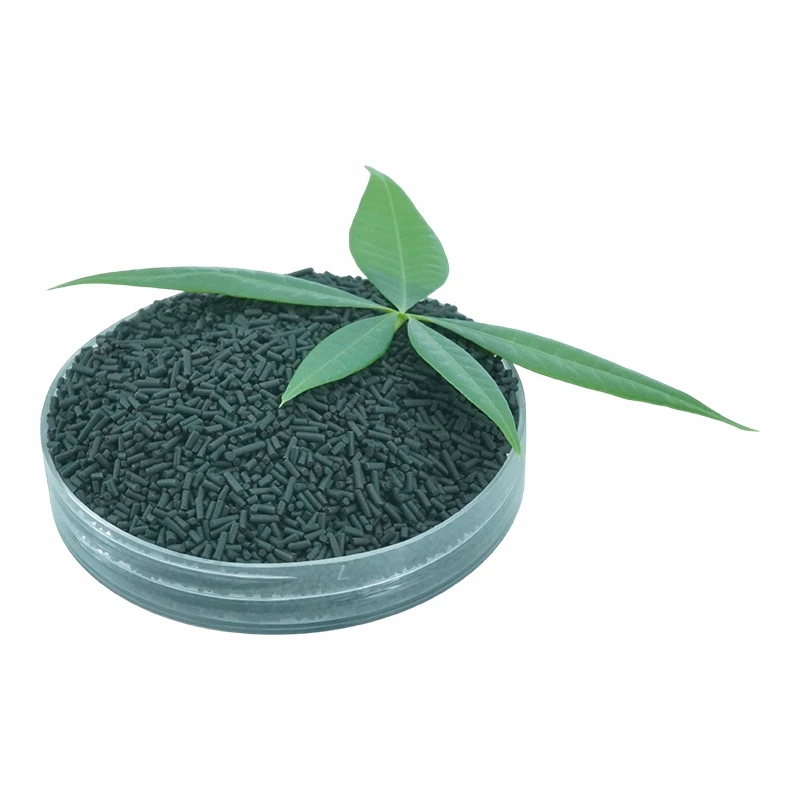
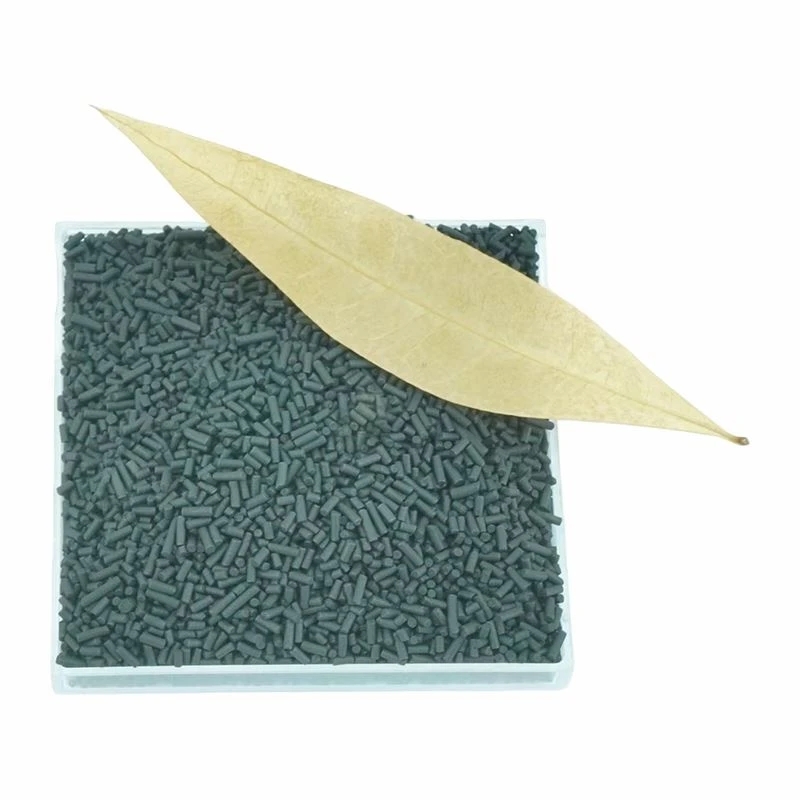
Wait, let’s talk about why high yield is so critical here. A lot of CMS on the market only give you 90-95% nitrogen purity, or they waste a lot of oxygen-rich gas in the separation process. Our high yield nitrogen CMS has tailored pore structures that let us separate nitrogen more efficiently, so you get more pure nitrogen out of every air feed, less waste, and lower operating costs. For electronics manufacturers, every dollar saved on gas generation is a dollar they can put back into R&D or scaling production. And let’s not forget consistency—when you’re making semiconductors, if your nitrogen purity fluctuates even a little, you can ruin a whole batch of wafers, which can cost millions. Our CMS is engineered to be stable, so the nitrogen output stays the same day in and day out, no matter how much demand you have.
Now, let’s address a common question: why not just use other nitrogen generation methods? Cryogenic distillation is great for very large scale, but it’s expensive to set up and uses a ton of energy, not to mention it takes a long time to start up, which is bad for small to medium electronics manufacturers. Membrane separation is cheaper, but it only gives lower purity nitrogen, which isn’t enough for semiconductor or battery processes. PSA with CMS is the sweet spot—fast, flexible, energy-efficient, and gives high purity nitrogen, and our high yield version makes it even better. We’ve found that 80% of our electronics clients switch to our high yield nitrogen CMS within a year because they see the ROI right away.
Also, sustainability is a big part of this, and it’s something we care a lot about. The electronics industry has come under fire for being wasteful, but CMS can help change that. Our Recycled Carbon Molecular Sieve line takes used CMS from other industries, reprocesses it, and tunes it to work for high yield nitrogen production for electronics. That means less waste going to landfills, and more sustainable materials for manufacturing. And our high yield CMS uses less energy than traditional methods, so carbon emissions are lower too—something every company is striving for these days.
Let’s get real about what clients care about most when picking a CMS supplier for electronics. First, reliability: if your nitrogen generation goes down, your entire production line stops, which costs you thousands an hour. Our CMS is tested rigorously, so you don’t have to worry about unexpected downtime. Second, purity: we can customize the nitrogen purity from 95% up to 99.999% depending on your needs—we don’t do a one-size-fits-all approach. Third, support: we’re not just selling you a product—we work with you to figure out exactly how much nitrogen you need, what purity, and how to integrate our CMS into your existing lines. We even have a team of engineers that help with setup and maintenance, which is a big plus for small manufacturers who don’t have a huge in-house tech team.
I’ll wrap this up by saying: the next time you use your smartphone, EV, or a medical device, take a second to think about all the tiny, specialized materials that went into making it work. High yield nitrogen CMS is one of those unsung heroes, keeping critical processes contamination-free, efficient, and reliable. If you’re in electronics manufacturing and tired of dealing with inconsistent nitrogen, high costs, or downtime, we’re here to help. We’ve worked with everyone from small PCB shops to big semiconductor fabs, and we can tailor our high yield nitrogen CMS to fit your needs. Reach out to us to chat about your specific requirements, and let’s figure out how we can help you make better products, faster and cheaper.
References:
- M. M. Dubey, "Carbon Molecular Sieves: Synthesis, Properties, and Applications," Carbon, vol. 38, no. 12, pp. 1663-1678, 2000.
- J. Liu et al., "Pressure Swing Adsorption for Nitrogen Generation Using Carbon Molecular Sieves in Semiconductor Manufacturing," Journal of Industrial and Engineering Chemistry, vol. 89, pp. 234-242, 2020.
- International Energy Agency, "Energy Efficiency in Battery Manufacturing Processes," IEA Transport Research and Innovation Portal, 2022.
- S. Park et al., "The Role of Inert Gas Atmospheres in Printed Circuit Board Manufacturing," Circuit World, vol. 45, no. 3, pp. 145-152, 2019.
- EPA, "Sustainable Materials Management: Carbon Molecular Sieve Recycling for Industrial Applications," U.S. Environmental Protection Agency, 2021.